


Supporting every reader: Inclusion, representation and wellbeing in schools
This month, we're shining a light on the students who need us. Inclusion is a daily, human act. It's the book you choose for your class reader. The time you spend finding the right story for the right child. The quiet conversation that makes a student feel seen.
We’ve also made space in this issue to look after you too, with a link to our latest teacher wellbeing webinar included. Because supporting every child starts with looking after every teacher.
And of course, we have a prize draw winner again this month. Congratulations to Mrs N Rowland from Belfairs Academy - a book bundle is on its way to your school! 🎉
Staffroom Story
"Sometimes one book changes everything."
Amara had been in school for six months. Her English was improving quickly, but during reading time she stayed quiet - polite, detached, never fully inside the story.
Then one afternoon, she mentioned something that stuck with me: 'Books aren't really for me.'
That evening, I searched for fiction with West African characters and the next morning left one on her desk.
By break time, she'd read two chapters. By Friday, she'd finished the book and was asking for another. A few weeks later, other children were borrowing it because she said it was brilliant.
Sometimes inclusion isn't a big intervention. Sometimes it's one child finally seeing themselves in a story.
- A Year 5 teacher
This story is based on experiences shared by educators; names and identifying details have been changed.
Think Deeper
Amara's story isn't unusual. For many children, especially students from disadvantaged, SEND or EAL backgrounds, connection comes before confidence. And often, connection starts with representation.
The following story from Ashley Thorp brings that idea to life.
Why representation in books matters - Ashley Thorp, author and editor
One powerful shift: focusing on how students think while they read.
At Daisy Education's annual International reading conference 2025, Ashley Thorp shared a moment from his own childhood that stuck with every educator in the room.
At seven years old, after years of visiting his local library, he picked up Malorie Blackman's Whizzwig and saw a character who looked like him on the cover for the first time.
"I had already internalised the fact that I couldn’t be the hero in a story. It took this book to show me things could be different." |
That single moment changed how he saw reading and himself and the research tells a similar story.
According to the Centre for Literacy in Primary Education’s Reflecting Realities report:
- 2017: just 4% of UK children's books featured Black, Asian or minority ethnic characters
- 2022: that figure had climbed to 30% - real progress
- 2023: it dropped back to 17%, with underrepresented main characters halved from 14% to 7%
When a child never sees themselves in a story, reading can feel like an act of translation - or worse, like something that isn't meant for them at all.
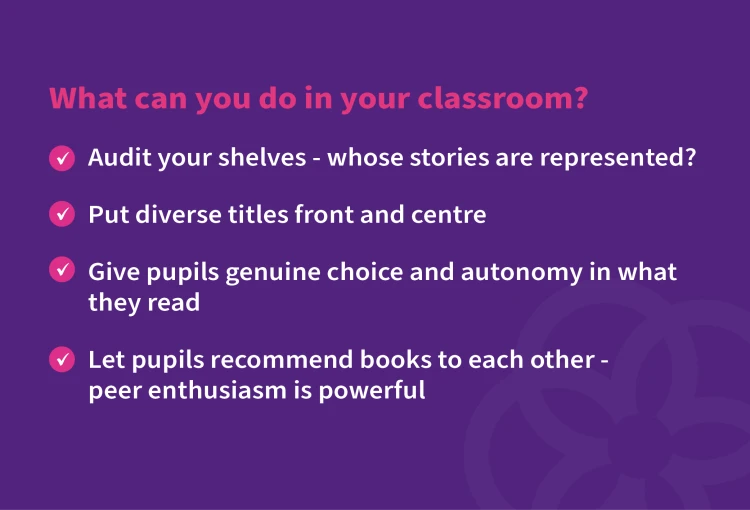
Try these tips in your classroom today, and watch the full webinar to discover even more ways to build an inclusive reading culture.
Looking after you: Dr Emma Kell on sustainable staff wellbeing
Teaching can be hugely rewarding, but it can also be emotionally demanding at times. That’s why staff wellbeing remains such an important conversation across schools.
Often, wellbeing comes down to the everyday culture of a school: communication, support, belonging and feeling able to speak openly when things feel difficult.
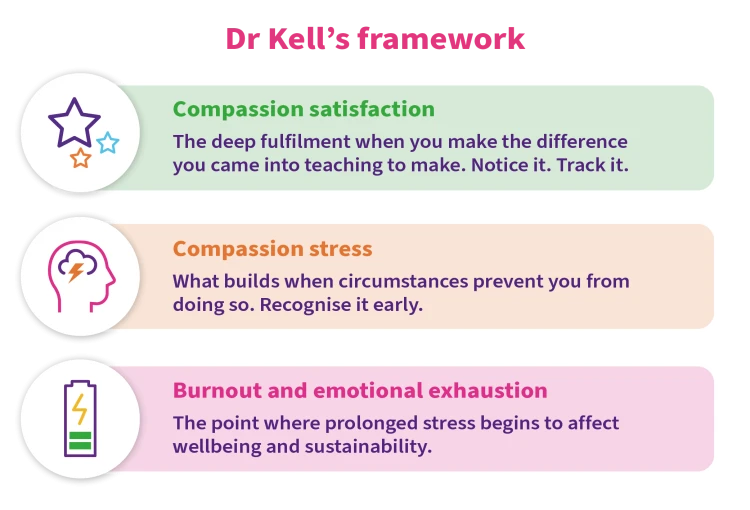
The good news is that small, intentional actions can make a real difference. Dr Kell's framework offers a helpful way of thinking about wellbeing and the factors that can affect it. With that in mind, here are three simple things you can try to help stay grounded and look after yourself.
Three things to try right now:
- Name your glass balls - what genuinely cannot be dropped? Focus on those factors that genuinely matters the most.
- Put something in your diary to look forward to - It doesn't need to be big; even a simple coffee with a friend counts.
- List three good things - Before you go to bed tonight, write down three things that went well today. Even tiny ones.
Ready to put these ideas into practice? Watch the full webinar for deeper insights and actionable wellbeing strategies.
This month’s issue featured insights from Dr Emma Kell as part of the Daisy Education free webinar series for educators.
We regularly host free webinars and live sessions covering literacy, wellbeing, inclusion, leadership and classroom practice, featuring experienced educators and sector experts.
If you’d like to hear about upcoming free webinars and events, email getinvolved@daisyeducationuk.com to be added to our educator webinar mailing list.
Industry news
More support where it's needed most
The conversation around inclusion and wellbeing isn't staying in classrooms. It's now shaping national policy too.
The government’s proposed "Every Child Achieving and Thriving" reforms signal a potential shift

Earlier support without waiting for diagnosis
The proposed Inclusive Mainstream Fund will invest £1.6 billion over three years into mainstream schools, helping schools put support in place earlier, rather than waiting for formal assessments or EHCPs. This sits within a wider £7 billion additional commitment to SEND.
Why this matters: More flexibility for interventions, literacy support, transition programmes and targeted provision before needs escalate.

Individual Support Plans (ISPs) for every pupil with SEND
Under the proposals, schools would have a legal duty to create a digital Individual Support Plan (ISP) for every child with identified SEND needs. Plans would outline barriers to learning, support strategies and intended outcomes, with parents involved in the process.
Why this matters: A clearer, more consistent approach to tracking and delivering support across mainstream settings.

Proposed National Inclusion Standards
By 2028, the government has proposed introducing National Inclusion Standards setting out what support every mainstream school should provide as part of a universal offer.
Why this matters: Inclusion is moving from “best practice” to a clearer national expectation, with greater focus on adaptive teaching, early intervention and consistent support for vulnerable learners.
Try this tomorrow
Two practical ideas you can use straight away
If you're reviewing reading provision or planning support for next year, these resources will help.
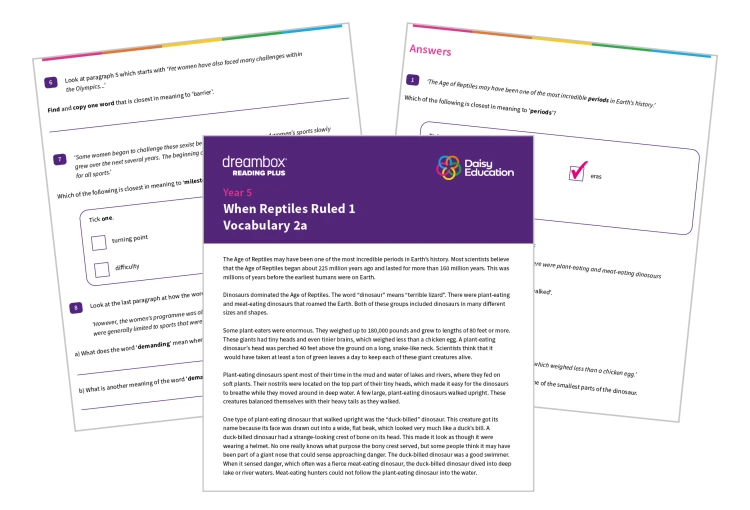
Year 5 Reading and Comprehension Worksheets
With SATs now complete, now's the perfect time to build strong reading habits before Year 6 pressure kicks in.
Our Year 5 resources have differentiated worksheets with structured lesson plans and question sheets for all abilities.
Share your story
We want to hear from you
Each month, we share real stories from real educators, and we'd love to hear yours.
This month's question: What's one small change you've made that's had the biggest impact on your most vulnerable readers?

Hope you had a good read. The next month's theme is Reading for Pleasure: Cultivating Lifelong Readers.
We’d love to hear your stories and ideas ahead of next month’s issue. Email us at staffroomscoop@daisyeducationuk.com.
Until then,
Staffroom Scoop Team, Daisy Education
Daisy Education supports over 1,700 schools and 350 multi academy trusts across the UK.